
Project on my own site: two days' work, and what it would have cost elsewhere
The English site moved into Dutch, a sales page for construction professionals and a cluster of six articles for AI search results. Counted, costed out and then checked.
Between 21 and 23 August 2026, I moved the whole Cocoon Productions site from English to Dutch. Thirteen pages and 27 blog articles, plus the legal texts, all the blog categories, the page titles and the meta descriptions. Straight into Squarespace, because the texts had to stay on the same URLs.
In those same two days I added six new articles for construction professionals, plus a sales page and fifteen visuals. Those visuals aren't images, they're code: changing a text in one costs me a single line, not a new render.
Below you'll find exactly what went into those two days, and what the same job costs if you outsource it.
What went onto the site in those two days, and what the same job costs if you outsource it.
Translating 27 articles and 13 pages
Six new articles, with their own visuals
Sales page and three interactive visuals
Glossary, audit and tracker
Market research and source checking
Slugs, redirects and link fixes
Total
The same work, in working days
What's counted, and what's estimated
Two kinds of numbers sit side by side there, and the difference matters.
The numbers are real counts, taken on the live site on 23 August. Articles, pages, redirects, visuals and words: you can check them.
The hours aren't. I don't track my time, and how long it took me says nothing about what the work is worth. What you see is an estimate of what the same job costs with a professional. I took the hourly rate of 60 to 110 euros from the prices already on my own sales page: an e-commerce consultant at 2,000 to 5,000 euros for five days, a content creator at 2,400 to 4,000 euros for five days. That's 400 to 1,000 euros a day.
That estimate is shown as a range, not a single number, precisely because it's an estimate.
Fast is worth nothing if it isn't right
When the translation was done, the site looked finished. It wasn't. Translating is the smallest part of a job like this. The biggest risk is in the formatting. Every time you put a translated sentence back into the content management system, something small can go wrong. A space disappears between a bold word and the next one. A sentence ends up there twice. An English conjunction gets left behind in a Dutch list.
Nobody spots errors like that by reading any more, certainly not in 57,000 words. So I didn't proofread the site, I measured it.
After the translation the site looked finished. Four automated checks then ran over every page, every article and every page title. Below is what they look for, and one real find per check.
Where the space vanished between bold and normal text
The biggest source of errors wasn't the translation, it was the formatting. Put a translated sentence back into the content management system and the space between a bold bit and the next word disappears. The check reads each page as a structure, runs over every text fragment and flags every spot where two fragments touch with no space and no paragraph break between them.
From an article on cost per acquisition. Another find like it: "100% van de operationele kostendraagt".
Words that don't exist but look Dutch
Every word longer than nine letters goes through a test: can it be split into an existing word from the site plus a function word? If so, it's probably two words stuck together, not a compound. This check finds what a spellchecker lets through, because a spellchecker often just doesn't flag a long unknown word.
From the Benelux e-commerce guide. Also found: "gegevensbeschermingom", "platformom".
English left behind where nobody was looking any more
Every line gets a score on English versus Dutch function words. That brings up not just stray words but whole sentences the translation never reached. The biggest find sat under every blog article: the author bio, which comes from the account settings and so couldn't be edited on any page.
One English conjunction in a Dutch list. The author bio was in English under all 27 articles.
Text that appeared twice, and doubled words
The last check looks for repetition: the same sentence twice in a row, doubled words, double spaces, a space before a punctuation mark. This kind of error happens when you put text back, and it survives every time someone reads the page, because the eye skips over a repeat.
From the article on setting ad budget by contribution margin. Also found: "Splits je je operationele kosten".
Why I measure the page, not the file
The four checks run on the published pages, not on the files those pages come from. That difference is the whole point. A file can be right while the page it produces is wrong, and that page is what your visitor reads.
One find was in a spot no page points to. Under every blog article there's an author bio, and it was still entirely in English. That text doesn't sit in a page, it sits in the account settings. You only find it if you read what's actually published instead of what you typed in yourself.
Why this matters
Two days' turnaround is only half the story. The other half is that the result can be checked.
On one of my pages it literally said "de bestellingen zelf kleinerzijn", with no space between those two words. A visitor doesn't know what went wrong, but they do notice. Google reads that same error, and in a language that isn't the site's original language, those small things count for more. And a text that appears twice in the same place pulls attention away from the sentence that was meant to do the work.
The same approach is built into my conversion agent. Nothing goes live until the figure from before the start is written down, and nothing goes live without a check afterwards. What you can't measure again, you can't defend later.
Want the same discipline on your own online business? It's in the E-Commerce Conversion Agent Workflow.

More strategic work
-
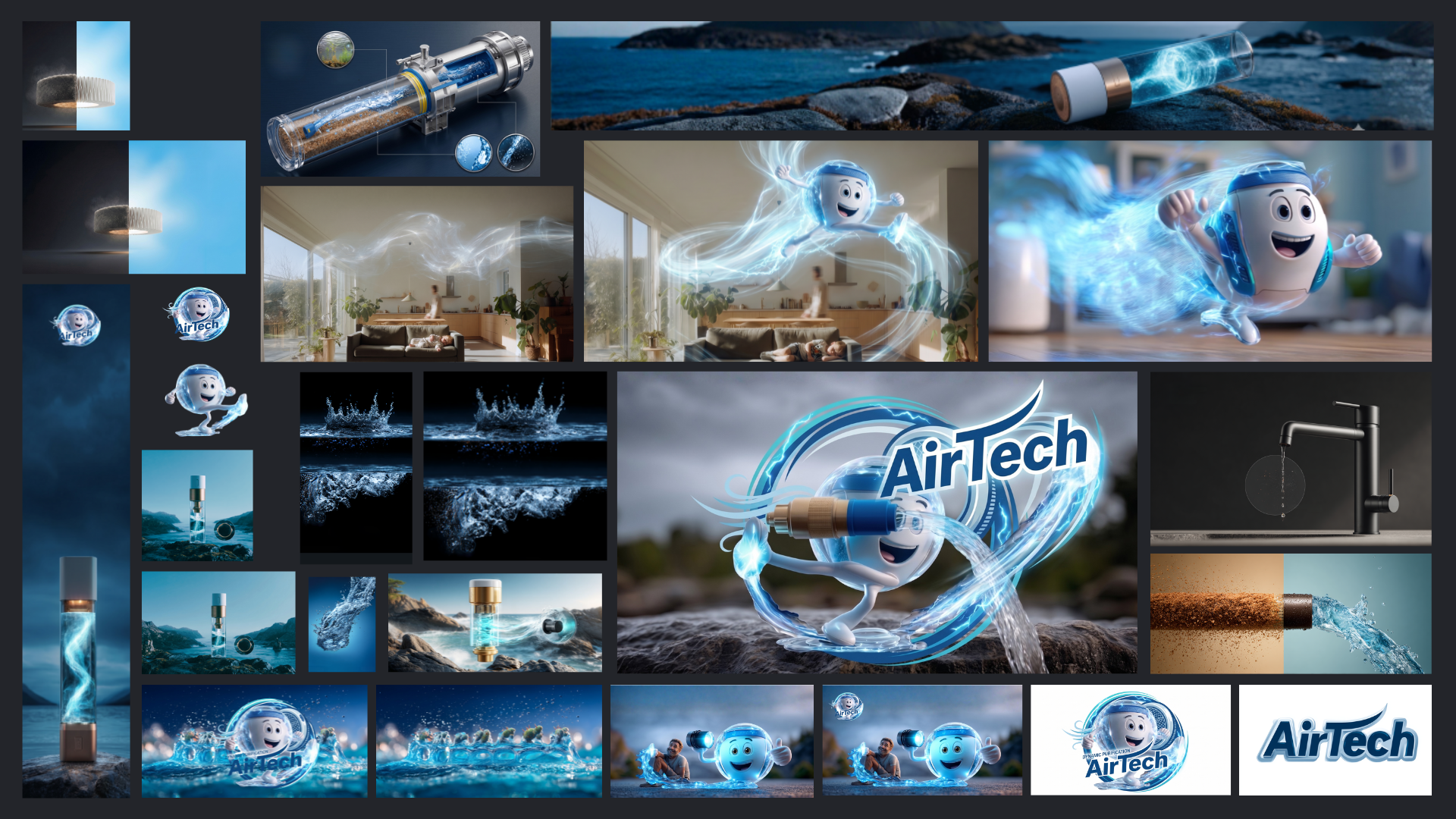
![Kinetic digital ad creative for AirTech advanced water filtration systems.]()
AirTech: complex filtration, explained simply
We turned AirTech's complex vortex filtration system into an accessible, animated visual identity. The premium hardware design stays front and centre, while the benefit is crystal clear: a clean home with filters that need no maintenance.
-
![Storyboard concept for the Curo Comfort therapeutic bathtub explainer video]()
Removing friction from the user experience for safety-conscious buyers (concept)
In a single strategy session, we developed a concept video showing how invisible safety fits into a luxury bathroom design. The story shows residents keep their independence without ending up in a clinical-looking bathroom.
-
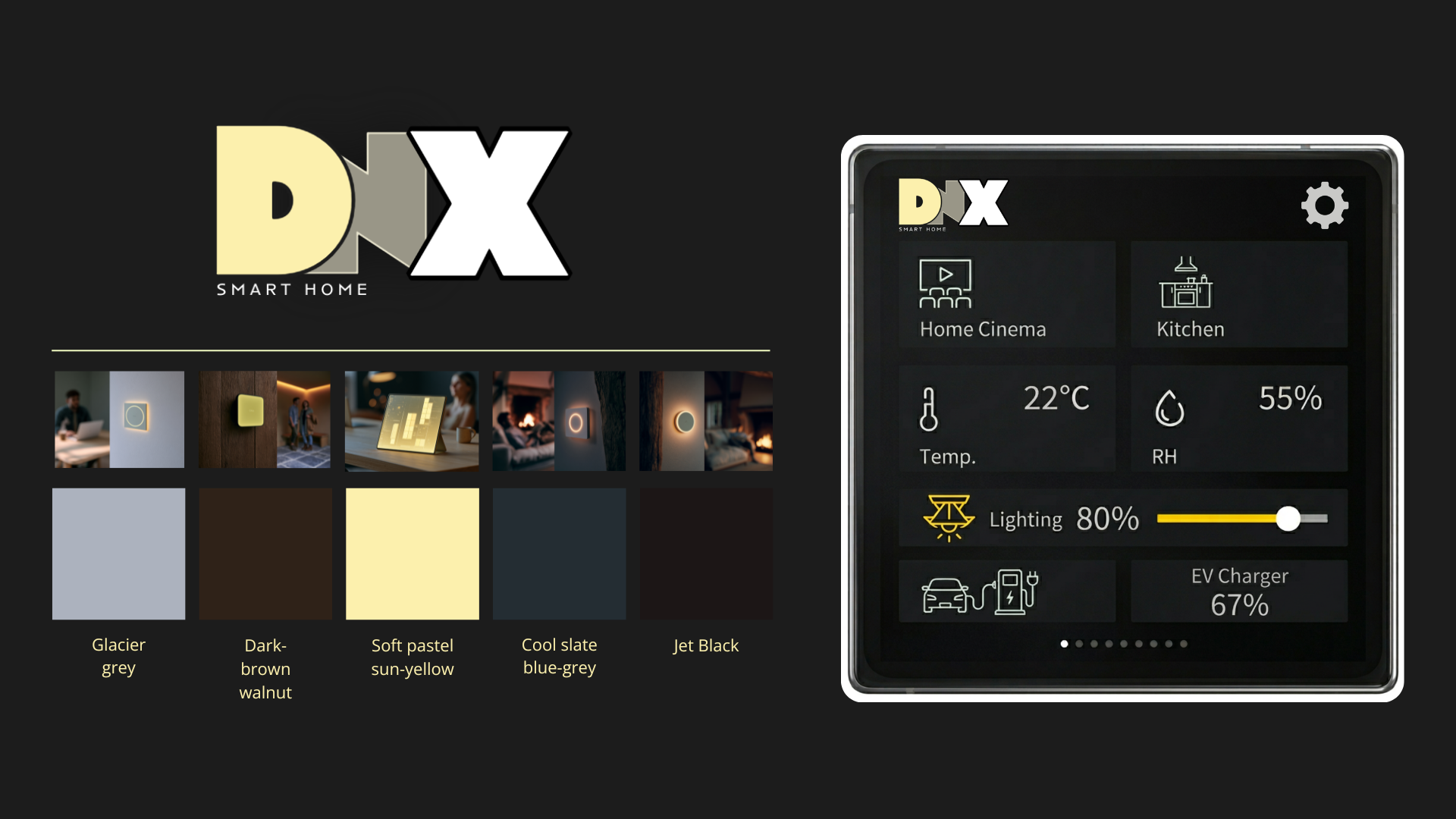
![Animated logo and visual identity framework for the DNX brand.]()
Steering discovery traffic with a single brand identity
Cocoon Productions built the complete visual and strategic foundation for the DNX discovery campaign. The refreshed identity and messaging split incoming traffic and send each visitor straight to the page that fits them.